
The Timber Door and Window Restoration Process: A Step-by-Step Guide for Sydney Homeowners

Timber doors and windows are among the most defining features of many Sydney homes. From elegant Victorian terraces to Federation cottages and classic bungalows, original timber joinery plays a major role in a home’s character, charm, and architectural integrity. Yet decades of exposure to weather, movement in the building, and everyday use can leave these elements looking tired or performing poorly.
For many homeowners, the assumption is that replacement is the only solution. In reality, professional timber door and window restoration is often a more practical, cost-effective, and aesthetically superior option. Understanding how the restoration process works helps homeowners make informed decisions and appreciate the level of craftsmanship involved.
This step-by-step guide explains what typically happens during a professional timber door and window restoration, from the initial assessment through to final finishing and long-term performance improvements.
Step 1: Initial Inspection and Condition Assessment
Every successful restoration project begins with a thorough inspection. Timber doors and windows may show visible signs of wear, but underlying issues are not always obvious to the untrained eye. A professional assessment looks beyond surface damage to evaluate the structural integrity of the timber and surrounding components.
During this stage, specialists assess:
- The condition of timber frames, sashes, and doors
- Signs of rot, fungal growth, or termite damage
- Movement or warping caused by moisture or age
- The condition of joints, glazing putty, and seals
- Operation of hinges, locks, and sash mechanisms
This assessment helps determine whether restoration is viable and what level of intervention is required. In many cases, even windows or doors that appear beyond repair can be successfully restored using traditional joinery techniques.
Step 2: Identifying the Original Materials and Design
Older Sydney homes were often built using high-quality hardwoods that are rarely used in modern construction. Identifying the timber species and original construction methods is a critical part of the restoration process.
Understanding the original design allows restorers to:
- Match replacement timber sections accurately
- Preserve original proportions and detailing
- Retain period-appropriate joinery techniques
- Ensure compatibility with existing architectural elements
This step is especially important in heritage and period homes, where inappropriate materials or design changes can negatively affect both aesthetics and property value.
Step 3: Careful Removal or On-Site Restoration
Depending on the scope of work, timber doors and windows may be restored on-site or carefully removed for workshop restoration. The decision depends on factors such as access, extent of damage, and the type of joinery involved.
- On-site restoration is often suitable for minor repairs, draught-proofing, and refinishing.
- Workshop restoration is typically required for more extensive repairs, sash window overhauls, or detailed joinery reconstruction.
When removal is necessary, components are carefully labelled and documented to ensure accurate reinstallation.
Step 4: Timber Repairs and Structural Stabilisation
Once access is established, the focus shifts to repairing and stabilising the timber itself. This is one of the most important stages of the restoration process, as it determines the long-term durability of the doors or windows.
Common repair techniques include:
- Removing decayed timber sections
- Splicing in new matching timber
- Reinforcing weakened joints
- Rebuilding damaged sills or rails
- Treating timber to prevent future decay
Rather than replacing entire elements, professional restoration prioritises retaining as much original material as possible. This approach preserves authenticity while ensuring structural strength.
Step 5: Sash, Frame, and Door Alignment
Over time, buildings settle and timber moves, which can cause doors and windows to become misaligned. This often leads to sticking, rattling, or gaps that allow draughts and moisture to enter.
During restoration, specialists realign components to ensure:
- Smooth opening and closing
- Proper sealing when closed
- Even weight distribution in sash windows
- Reduced wear on hardware and frames
Correct alignment significantly improves usability and prevents future damage caused by friction or uneven stress.
Step 6: Glazing Repairs and Upgrades
Many original timber windows feature single glazing, cracked panes, or deteriorated putty. Restoration allows for glazing repairs that improve both safety and performance while maintaining the original appearance.
Glazing work may involve:
- Replacing cracked or broken glass
- Re-puttying panes using traditional methods
- Installing discreet performance upgrades where appropriate
- Securing glass to reduce rattling and movement
Where regulations and design allow, subtle glazing improvements can enhance thermal and acoustic performance without altering the window’s character.
Step 7: Draught-Proofing and Weather Sealing
One of the most practical benefits of timber door and window restoration is improved comfort inside the home. Older joinery often allows draughts due to gaps, worn seals, or movement over time.
Professional restoration includes draught-proofing measures such as:
- Installing concealed seals within frames
- Repairing gaps caused by timber shrinkage
- Improving door thresholds and window tracks
- Ensuring tight closure without restricting movement
These upgrades help stabilise indoor temperatures, reduce noise, and improve energy efficiency—often matching or exceeding the performance of many modern replacements.
Step 8: Hardware Restoration or Replacement
Original hardware is an important part of a timber door or window’s character. Hinges, handles, locks, and sash pulleys are assessed to determine whether they can be restored or need replacement.
Where possible, restoration may include:
- Cleaning and repairing original hardware
- Adjusting mechanisms for smooth operation
- Replacing missing or damaged parts with period-appropriate alternatives
Functional, well-maintained hardware not only improves usability but also contributes to the authenticity of the restored joinery.
Step 9: Surface Preparation and Finishing
Once structural repairs are complete, attention turns to surface preparation. This stage ensures the final finish is both visually appealing and durable.
Surface preparation typically involves:
- Stripping failing paint or coatings
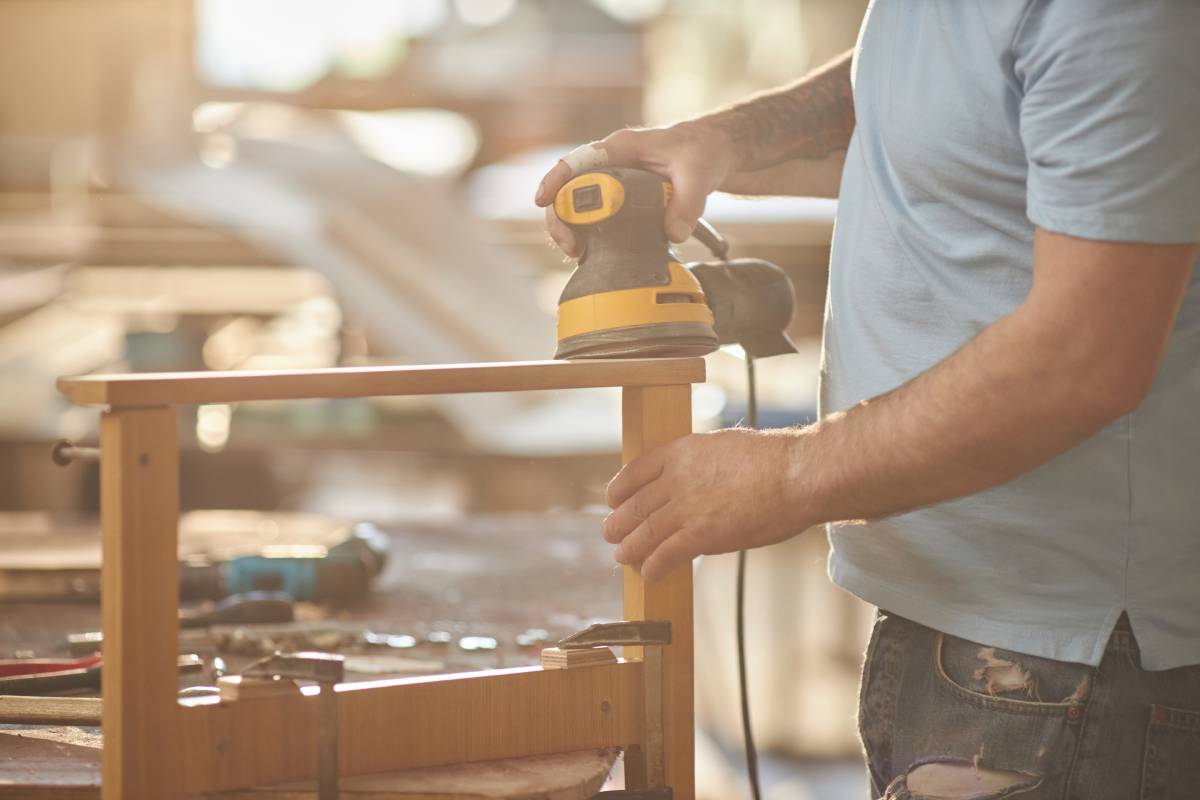
- Sanding timber to create a smooth finish
- Repairing minor surface imperfections
- Applying primers and protective treatments
Finishing options may include paint, stains, or clear coatings, depending on the home’s style and the homeowner’s preferences. Proper finishing protects the timber from moisture, UV exposure, and future wear.
Step 10: Reinstallation and Final Adjustments
If doors or windows were restored off-site, they are carefully reinstalled and adjusted to ensure optimal performance. Final checks confirm that all components function smoothly and that seals, alignment, and finishes meet quality standards.
This stage includes:
- Fine-tuning movement and balance
- Ensuring secure installation
- Confirming weather sealing effectiveness
- Conducting final quality inspections
The result is timber joinery that looks original, operates smoothly, and performs to modern expectations.
Step 11: Ongoing Maintenance Guidance
Professional restoration does not end at completion. Homeowners are typically provided with guidance on how to maintain restored timber doors and windows to ensure longevity.
Maintenance advice may include:
- Recommended cleaning methods
- Inspection intervals for paint or coatings
- Tips for managing moisture exposure
- Minor upkeep to prevent future issues
With proper care, restored timber joinery can last for decades with minimal intervention.
Why Professional Restoration Matters
Timber door and window restoration is a highly specialised process that combines traditional craftsmanship with modern performance expectations. Poor workmanship or inappropriate materials can shorten the lifespan of restored joinery and diminish its value.
Engaging experienced specialists—particularly those with expertise in Heritage Restorations and Renovations—ensures that restoration work respects the original architecture while delivering reliable, long-term results.
For Sydney homeowners seeking to understand how professional restoration is carried out, detailed examples of door and window restoration services can be explored through specialist providers who focus on preserving original timber joinery while enhancing comfort and functionality.
Final Thoughts
Restoring timber doors and windows is not simply about aesthetics—it is about preserving craftsmanship, improving performance, and protecting the long-term value of a home. By understanding the step-by-step restoration process, homeowners can make informed decisions and avoid unnecessary replacement.
When carried out by skilled professionals, timber restoration offers a powerful combination of heritage preservation, sustainability, and modern comfort. For many Sydney homes, it remains the most practical and rewarding way to care for original doors and windows—ensuring they continue to perform and impress for generations to come.